Project AVA (Razer AVA) price analysis: is it worth it?
After CES 2026, leaks place Project AVA (Razer AVA) at $270 USD (approx. €249 in Europe). We analyze whether the price is justified given what it offers: a 3D hologram with generative AI, Razer ecosystem integration, and customizable skins.

The truth is that the device can already be pre-ordered in the US with a $20 deposit, but to buy Project AVA (Razer AVA) in Europe we will have to wait until the second half of 2026. Is it expensive? Considering it's a 3D hologram with real AI, the price seems more than fair.
What does the leaked price include?
What no one tells you is that this is not a normal smart speaker. The cost is justified by hardware that looks like it's straight out of Blade Runner:
5.5" Holographic Cylinder
With eye-tracking technology so the avatar always looks at you.
AI Processing
Connects to your PC via USB-C to analyze your LoL or Valorant matches in real time.
HD Camera and sensors
So the hologram reacts to your room lighting.
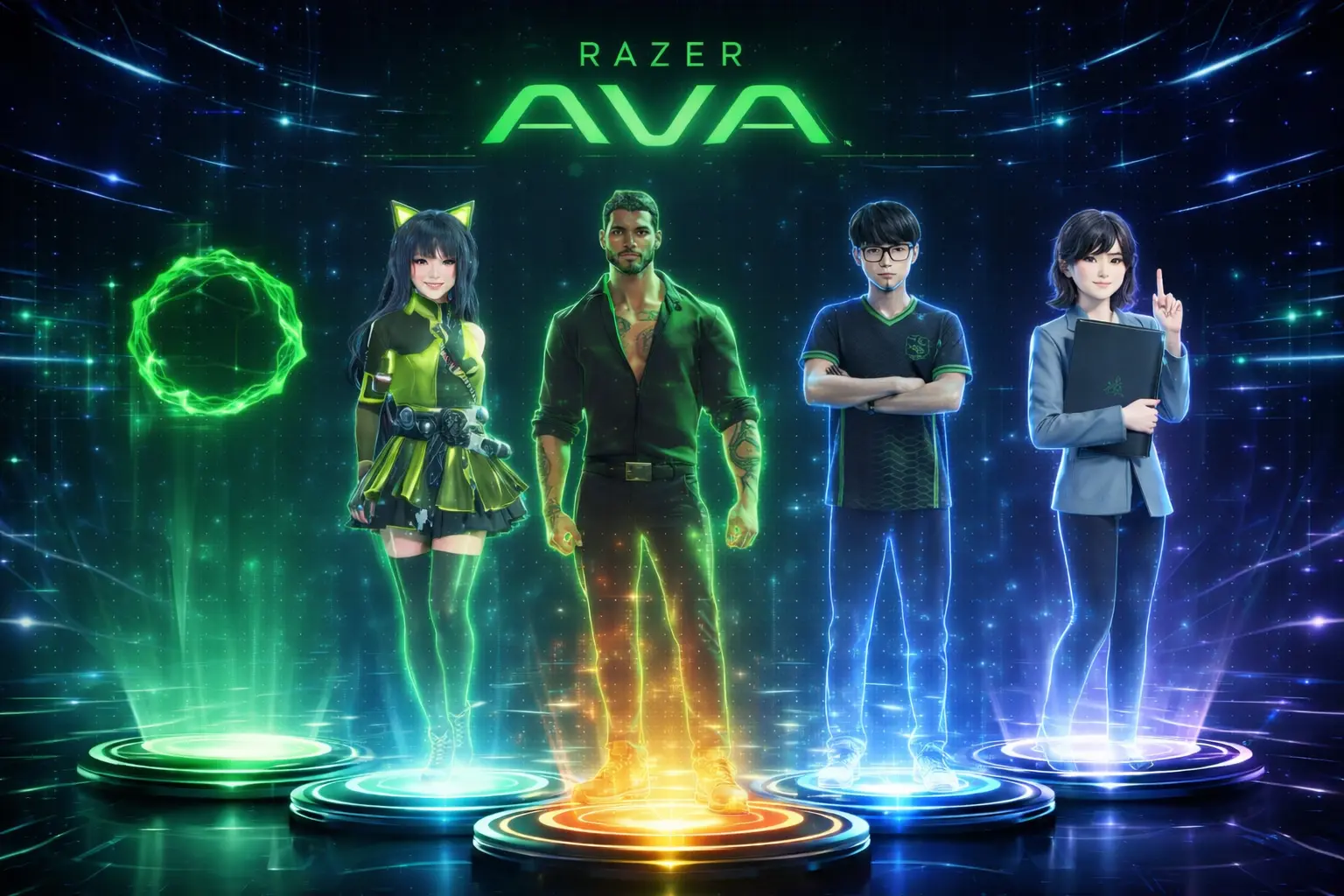
Project AVA (Razer AVA) Pre-order: Is it worth reserving?
Currently, the Project AVA (Razer AVA) pre-order is just a priority registration. The truth is that Razer usually sells out its "Project" editions very quickly (remember the Zephyr masks?). If you want idol Sao or coach Faker on your desk on day 1, reservation is almost mandatory.
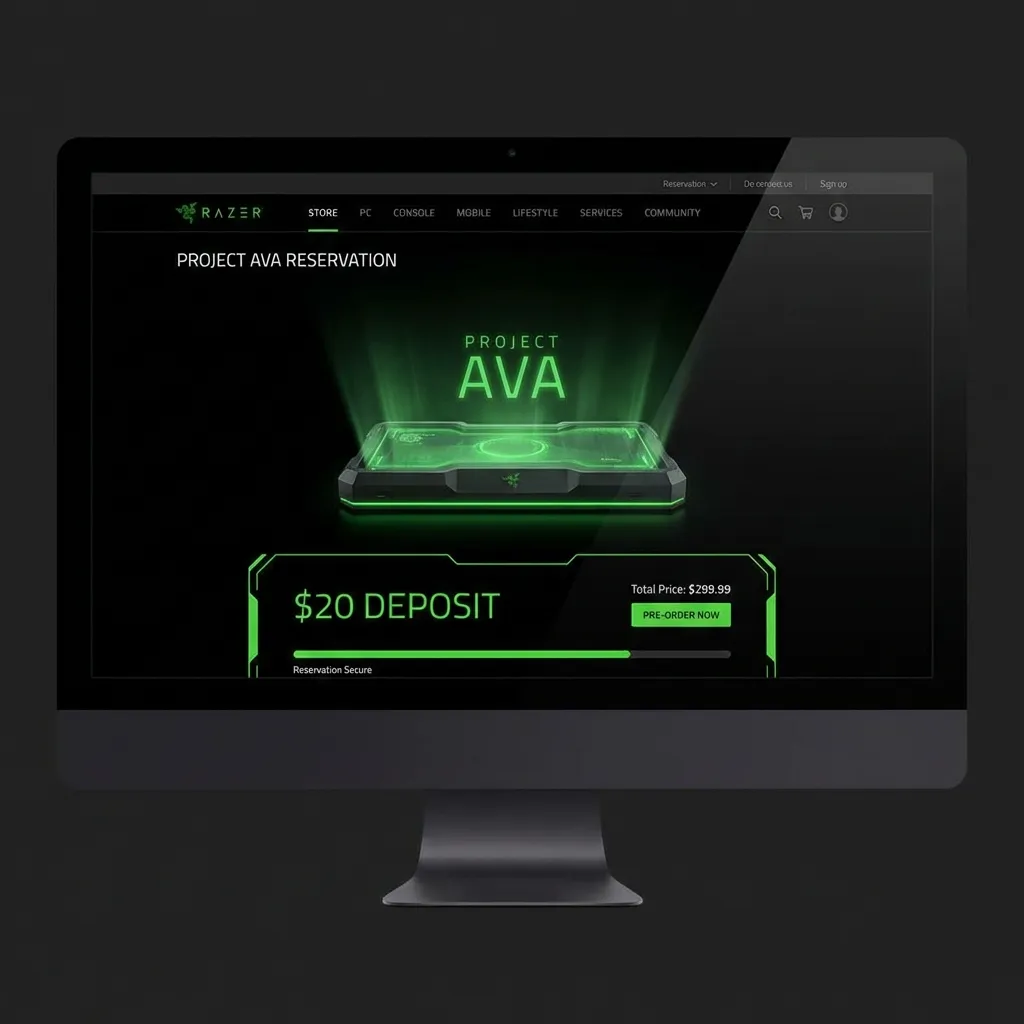
What the leaked price does NOT include
$270 (or ~€249) buys the hardware: the cylinder, the camera, the sensors, and the base AI package. What's still up in the air is everything that comes after you unbox it. Customization skins beyond the basics could be sold separately, and there's no official confirmation that extra avatars — like Faker or Sao — ship included or become part of a "Season Pass."
It's also unclear what happens with cloud model power (Grok, ChatGPT, Gemini). Running Llama 3 locally is free once you own the device, but offloading complex tasks to a third-party cloud model usually means a paid API somewhere. The question Razer hasn't answered yet is who eats that cost: is it baked into the hardware price, or does it end up as a separate subscription?
How does it stack up against other desk gadgets?
For perspective: 1-on-1 eSports coaching with a semi-pro player runs $20-40/hour on most online coaching platforms. A decent streaming webcam (an Elgato Facecam, say) or a Stream Deck runs $150-200. Project AVA (Razer AVA) doesn't fully replace either, but at a one-time $270 it lands somewhere between "premium desk gadget" and "a couple months of eSports coaching" — which is probably the exact comparison Razer wants you to make.
Opinion: Justified Hype or expensive whim?
Our Take
Honestly, paying almost €300 for an "assistant in a jar" sounds crazy, but the truth is that as a collector's item and eSports coaching tool, there is nothing like it.
That said, the price only makes sense if you'll actually use it daily. As a pretty desk object that talks, $270 is expensive; as a partial substitute for an eSports coach and a productivity assistant that also decorates your setup, it starts to make sense. What gives us pause is exactly what Razer hasn't confirmed yet: whether premium avatars and cloud power are included or cost extra. A $20 pre-order isn't a purchase decision, it's just reserving the right to decide later with full information — and that's where we'd recommend staying for now, until Razer clarifies the fine print.
Warning: It is rumored that some AI functions might need an additional monthly subscription. No one gives away Grok's power for free!
Don't miss out!
Stock for Europe will be much more limited than in the US. Subscribe for free to our newsletter and we will send you the direct purchase link as soon as it goes live on Amazon or the Razer Store.