Which one to choose? The 5 Confirmed Project AVA (Razer AVA) Avatars: From Kira to the legend Faker
Kira, Zane or do you prefer Faker himself? Before you rush to pre-order Project AVA (Razer AVA), you should know that these are no longer rumors: Razer has confirmed the 5 initial companions.
The truth is that choosing incorrectly could ruin your experience, since the AI learns from your interactions based on its base character. Do you want a motivational coach or an ultra-efficient assistant?
Update — Sep 10, 2026
Two of the five avatars in this guide were renamed by Razer: Kira is now called Sumi, and Zane is now called Niko, with a deeper visual redesign than the name change alone suggests. The profiles and specialties described below are unchanged from the original announcement — only the name and visual identity change. We cover all the details in this news piece.
01. AVA: The Pure Essence
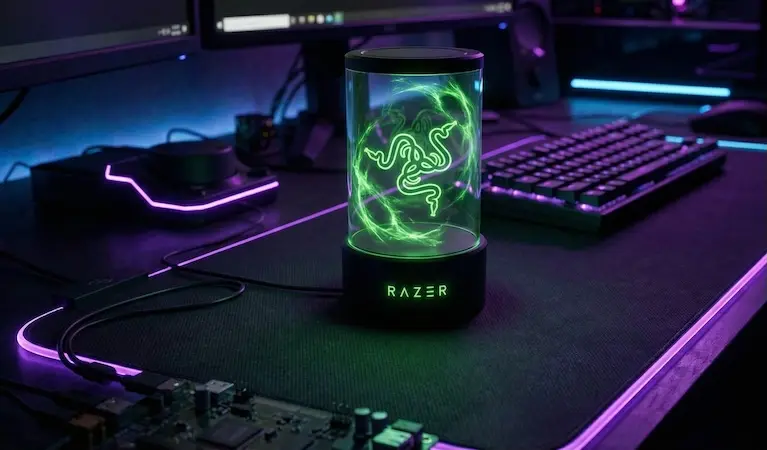
It is the original interface. If you are not looking for a "person" but a tool, AVA is for you. It presents itself as a minimalist and very technical blue energy.
- Profile: Pure AI assistant, logical and straightforward.
- Specialty: PC diagnostics, automation and extreme speed.
The best fit if you're coming from other voice assistants and want full control without personality getting in the way — the "professional" option in the lineup, built for people who value function over form.
02. Kira: The Hype Queen
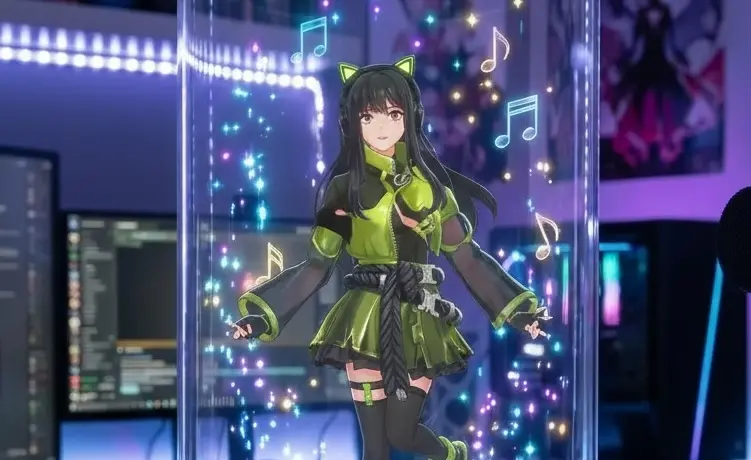
It is the anime-style avatar we have seen in all the viral videos. If you are looking for that feeling of having someone "alive" on your desktop, Kira is the most human option.
- Profile: Empathetic, cheerful and very conversational.
- Specialty: Daily company and management of your personal agenda.
The natural pick if you spend long hours at your desk and want the interaction to feel like real company, not a command menu wearing a character skin.
03. Zane: The Tactical Strategist

What no one tells you is that Zane is designed for fans of the shooter and action genre. He has a more serious and militarized attitude.
- Profile: Disciplined, observant and direct.
- Specialty: Map analysis and latency optimization in games.
Built for competitive matches where every millisecond counts: less companion chatter, more actionable data while you play, like a silent teammate.
04. Faker: The "Demon King" on your desktop
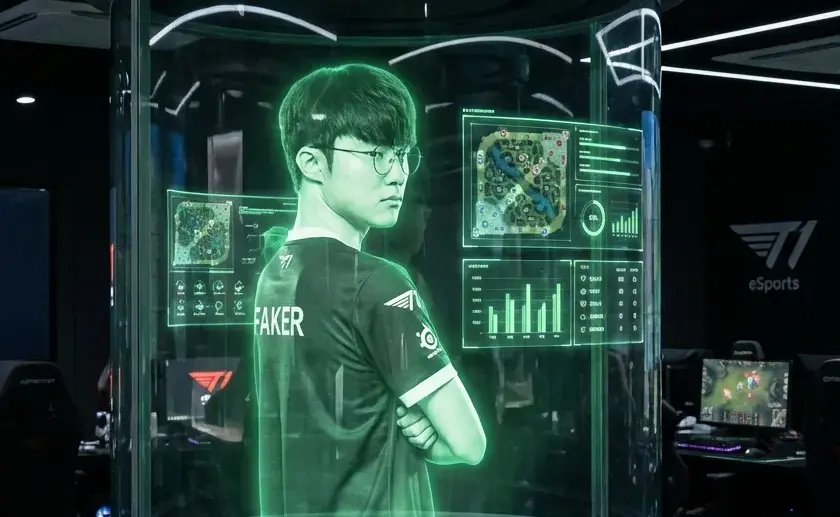
The ultimate collaboration. Razer has brought the LoL legend to the hologram. It is, undoubtedly, the avatar that justifies the price of Project AVA (Razer AVA) for any eSports fan.
- Profile: Competitive, analytical and motivating.
- Specialty: Real-time coaching and high-level tactics.
Makes the most sense if you compete or want to seriously improve at League of Legends; for casual use, it probably doesn't justify the extra cost rumored for this avatar.
05. Sao: The Great Surprise (Korean Idol)
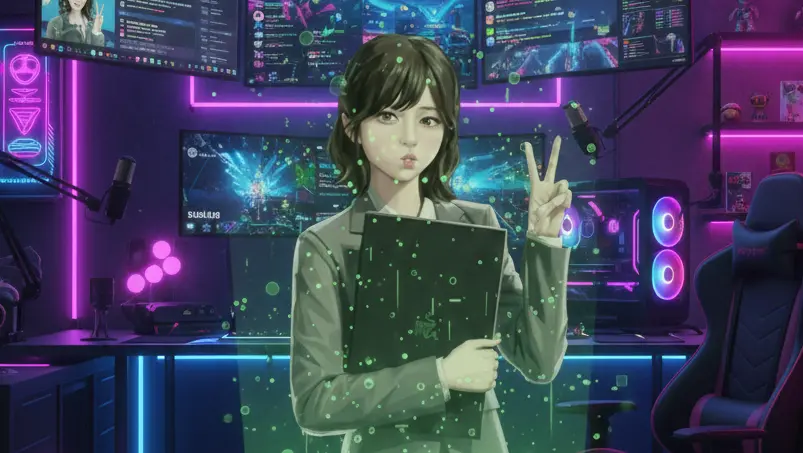
The latest official confirmation. Sao is a digital Idol fully focused on entertainment. If you use your PC for streaming or social networks, she is your best ally.
- Profile: Charismatic, fun and expert in trends.
- Specialty: Music control, social networks and live chat interaction.
The most creator-oriented of the five: less "productivity assistant," more co-host for streams, clips and social media.
06. Which one fits your profile?
If you don't want to read all five profiles, here's the short version: pick the avatar based on what you'll actually do with Project AVA (Razer AVA) 90% of the time, not on which one looks flashiest in the promo videos.
- You want the included option, no complications: AVA or Sumi (formerly Kira) — both ship standard and cover most daily use cases.
- You mainly use your PC for work or study: AVA, for its direct, distraction-free tone.
- You want real companionship at your desk: Sumi (formerly Kira), for her warm, conversational tone.
- You game competitively and want tactical support: Niko (formerly Zane), built to minimize distraction mid-match.
- You're serious about League of Legends: Faker, though likely at extra cost.
- You create content or stream: Sao, built for social media and live presence.
Our take
There's no middle ground here: either you pay for variety, or you settle for AVA and Sumi. Razer has opted for a disguised freemium model — the two base avatars cover the standard experience, while the rest (Niko, Faker, Sao) are positioned as premium content with their own pricing, most likely through a season pass based on early leaks. It's a strategy lifted straight from the battle passes Razer already knows well from gaming, applied for the first time to a desktop assistant.
Is it worth it? That depends entirely on your usage profile. If you're going to talk to your Project AVA (Razer AVA) daily for everyday tasks, AVA or Sumi already cover 90% of the value — paying extra for Faker or Sao only makes sense if those verticals (competitive esports, content creation) are a real part of your routine, not a one-off whim. Where we do see risk is fragmentation: if every new avatar arrives with an added cost, the device risks turning into a microtransaction platform rather than a closed, predictable product, which could create friction among early buyers who paid the base price expecting the full roster. We'll see, once the official price for each additional avatar is confirmed, whether Razer sticks to a handful of paid characters or turns this into a recurring catalog along the lines of Fortnite skins.